Comprehensive Builders Waste Clearance Services in Mottingham

When it comes to construction projects in Mottingham, one of the most critical aspects is managing and disposing of builders waste efficiently. Proper waste clearance not only ensures a clean and safe work environment but also complies with local regulations, safeguarding both the builders and the community.
Builders waste encompasses a variety of materials generated during construction, renovation, or demolition works. This includes concrete, bricks, metal, wood, insulation, drywall, and other debris that can accumulate rapidly and pose significant challenges if not handled correctly.
In Mottingham, the demand for reliable builders waste clearance services has surged, reflecting the area's growth and the increasing number of construction projects. Whether you're a contractor, builder, or homeowner undertaking a renovation, understanding the importance of effective waste management is crucial for the success of your project.
The Importance of Builders Waste Clearance
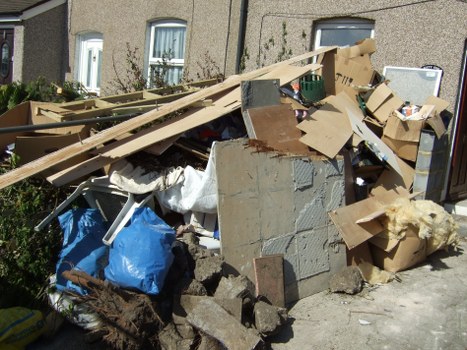
Efficient builders waste clearance plays a vital role in maintaining the progress and safety of construction sites. Here are several reasons why proper waste management is essential:
- Safety: Accumulated waste can create hazards, increasing the risk of accidents and injuries on-site.
- Compliance: Adhering to local waste disposal regulations helps avoid legal issues and fines.
- Environmental Responsibility: Proper waste disposal minimizes the environmental impact, promoting sustainability.
- Cost Efficiency: Regular waste clearance can reduce storage costs and prevent delays in your project timeline.
By addressing these factors, builders can ensure a smoother workflow, enhance productivity, and contribute positively to the community and environment.
Moreover, effective waste management aligns with green building practices, a growing trend in the construction industry. Sustainable waste clearance not only improves your company's reputation but also attracts environmentally conscious clients and partners.
Types of Builders Waste

Understanding the different types of builders waste is the first step in effective clearance. Common categories include:
- Concrete and Masonry: This includes broken bricks, blocks, and concrete slabs, which require specialized recycling processes.
- Metal: Scrap metal such as steel beams, rebar, and aluminum can be recycled, reducing environmental impact.
- Wood: Timber waste, including pallets, old furniture, and framing materials, should be properly sorted for recycling or disposal.
- Insulation and Drywall: These materials often contain hazardous substances and need careful handling.
- General Debris: This category includes miscellaneous items like packaging materials, glass, and plastics.
Proper segregation and disposal of these materials are essential to comply with regulations and promote recycling and reuse wherever possible.
Choosing the Right Builders Waste Clearance Service
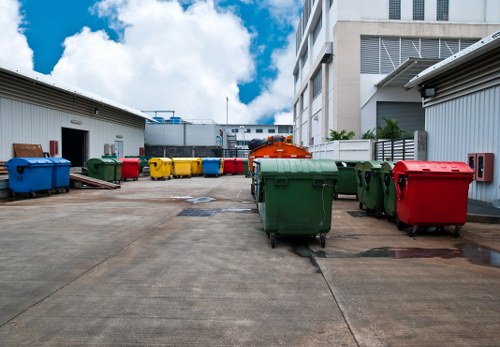
Selecting a reputable waste clearance service in Mottingham involves considering several factors to ensure efficiency and compliance. Here are key elements to look for:
- Experience and Expertise: A company with extensive experience in builders waste clearance will understand the nuances of different waste types and the best disposal methods.
- Licensing and Certifications: Ensure the service provider holds the necessary licenses and certifications to operate legally in Mottingham.
- Recycling Initiatives: Choose a company committed to recycling and environmentally friendly practices to reduce your project's carbon footprint.
- Availability and Flexibility: The ability to accommodate your project’s schedule and scale is crucial for timely waste clearance.
- Transparent Pricing: Clear and upfront pricing without hidden fees helps in budgeting and avoids unexpected costs.
By evaluating these aspects, you can select a service provider that not only meets your waste clearance needs but also aligns with your project's values and requirements.
Additionally, reading reviews and seeking recommendations can provide insights into the service quality and reliability of the waste clearance company.
Steps in the Builders Waste Clearance Process
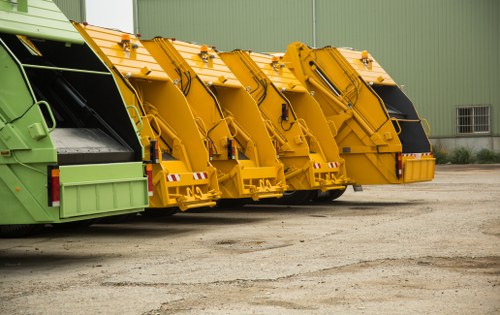
The builders waste clearance process typically involves several steps to ensure efficient and compliant disposal. Understanding these steps can help you coordinate better with your service provider:
- Assessment: The service provider evaluates the volume and types of waste to plan the clearance strategy.
- Scheduling: A timeline is established for waste collection that aligns with your project’s schedule.
- Collection: Waste is gathered from the construction site, ensuring minimal disruption to ongoing work.
- Segregation: Different waste materials are sorted for appropriate recycling or disposal.
- Transport: Segregated waste is transported to designated recycling centers or disposal facilities.
- Documentation: Proper records are maintained to comply with local waste management regulations.
Following these steps ensures that your builders waste is handled responsibly and efficiently, supporting the overall success of your construction project.
Benefits of Professional Builders Waste Clearance
Opting for professional builders waste clearance services offers numerous advantages beyond mere disposal:
- Time Savings: Professional services handle all aspects of waste clearance, freeing up your time to focus on core project tasks.
- Space Management: Efficient waste removal prevents clutter, ensuring ample space for construction activities.
- Health and Safety: Proper waste management reduces health risks associated with exposure to debris and hazardous materials.
- Environmental Impact: Professional services prioritize recycling and responsible disposal, contributing to sustainability.
- Cost Efficiency: Avoiding fines for improper waste disposal and reducing storage needs can lead to significant cost savings.
These benefits collectively enhance the efficiency and sustainability of your construction projects, making professional waste clearance an invaluable component.
Moreover, leveraging expert services can enhance your project’s reputation by demonstrating a commitment to responsible waste management and environmental stewardship.
Regulations and Compliance
Compliance with local regulations is paramount in builders waste clearance. In Mottingham, strict guidelines govern the disposal and recycling of construction waste to minimize environmental impact and ensure public safety.
Key regulatory aspects include:
- Licensing: Only licensed waste carriers are permitted to collect and transport builders waste.
- Segregation: Different types of waste must be segregated at the source to facilitate effective recycling and disposal.
- Permits: Depending on the volume and type of waste, specific permits may be required for collection and transportation.
- Documentation: Accurate records of waste types, quantities, and disposal methods must be maintained and available for inspection.
Non-compliance with these regulations can result in hefty fines, legal action, and project delays. Therefore, partnering with a compliant waste clearance service ensures that your project adheres to all legal requirements, safeguarding your operations.
Staying informed about local waste management policies and collaborating with knowledgeable service providers can streamline your compliance efforts.
Eco-Friendly Builders Waste Clearance Solutions
As environmental concerns gain prominence, eco-friendly builders waste clearance solutions are becoming increasingly important. These solutions focus on minimizing the environmental footprint of construction waste through sustainable practices.
- Recycling: Reusing materials like metal, wood, and concrete reduces the need for new resources and minimizes landfill usage.
- Waste Reduction: Implementing strategies to reduce waste generation at the source can significantly decrease overall disposal needs.
- Energy Recovery: Some waste materials can be converted into energy, providing an alternative disposal method that harnesses potential energy resources.
- Green Certifications: Choosing services that offer green certifications ensures adherence to high environmental standards.
Incorporating these eco-friendly practices not only benefits the environment but also enhances your project's sustainability credentials, appealing to environmentally conscious stakeholders.
Furthermore, adopting sustainable waste clearance methods can lead to long-term cost savings and promote a culture of environmental responsibility within your organization.
Innovations in Builders Waste Clearance
The builders waste clearance industry is continuously evolving, with innovations aimed at improving efficiency, sustainability, and compliance. Some notable advancements include:
- Advanced Sorting Technologies: Automated sorting systems enhance the accuracy and speed of waste segregation, increasing recycling rates.
- Digital Tracking: Digital platforms for tracking waste from collection to disposal provide transparency and ensure regulatory compliance.
- Eco-Friendly Disposal Methods: Innovative disposal techniques, such as waste-to-energy conversion, are reducing the environmental impact of construction waste.
- IoT Integration: Internet of Things (IoT) devices can monitor waste levels in real-time, optimizing collection schedules and reducing operational costs.
- Renewable Energy Use: Incorporating renewable energy sources in waste clearance operations lowers carbon emissions and promotes sustainability.
Embracing these innovations can enhance the effectiveness of waste clearance services, leading to better project outcomes and a more sustainable construction industry.
Staying abreast of technological advancements allows service providers to offer cutting-edge solutions that meet the evolving needs of the construction sector.
Cost Factors in Builders Waste Clearance
Understanding the cost components of builders waste clearance is essential for budgeting and financial planning of your construction projects in Mottingham. Several factors influence the overall cost:
- Volume of Waste: The quantity of waste generated directly impacts disposal fees and the number of collection trips required.
- Type of Waste: Hazardous or specialized waste may incur additional handling and disposal costs due to regulatory requirements.
- Frequency of Collection: Regular, scheduled collections may offer cost benefits compared to on-demand services.
- Distance to Disposal Sites: Transportation costs vary based on the distance between the construction site and the disposal or recycling facilities.
- Service Level: Comprehensive services that include sorting, recycling, and documentation may be priced higher than basic clearance options.
By analyzing these factors, you can choose a waste clearance service that offers the best balance between cost and the quality of service. Additionally, some providers offer flexible pricing models or discounts for long-term contracts, which can further optimize your budget.
It’s advisable to obtain multiple quotes and compare the services offered to ensure you’re getting value for your investment in builders waste clearance.
Maximizing Efficiency in Waste Clearance
Maximizing efficiency in builders waste clearance can lead to cost savings and smoother project execution. Here are strategies to enhance waste management efficiency:
- Early Planning: Integrate waste clearance planning into the initial project stages to anticipate waste volumes and scheduling needs.
- Waste Segregation at Source: Sorting waste as it’s generated reduces the complexity and cost of later processing.
- Regular Assessments: Periodic evaluations of waste management practices help identify areas for improvement and ensure continuous efficiency.
- Collaboration with Experts: Partnering with experienced waste clearance services can provide insights and solutions tailored to your project’s specific needs.
- Use of Technology: Implementing digital tools for tracking and managing waste can streamline operations and reduce manual errors.
Adopting these practices facilitates a more organized and effective waste clearance process, contributing to the overall success of your construction projects.
Moreover, fostering a culture of responsibility and awareness among workers regarding waste management can enhance compliance and efficiency.
Local Insights: Builders Waste Clearance in Mottingham
Mottingham, a vibrant area with a mix of residential and commercial developments, has specific needs and regulations concerning builders waste clearance. Understanding the local context can help in selecting the right service provider and ensuring compliance with regional requirements.
- Local Regulations: Mottingham follows specific waste disposal regulations that service providers must adhere to, including segregation, recycling mandates, and documentation standards.
- Community Expectations: The community values environmentally responsible practices, encouraging builders to adopt green waste clearance solutions.
- Infrastructure: Availability of disposal and recycling facilities in and around Mottingham affects the logistics and cost of waste clearance services.
- Project Diversity: The range of construction projects, from small renovations to large commercial builds, requires versatile and scalable waste clearance solutions.
- Seasonal Considerations: Weather conditions in Mottingham can impact waste clearance operations, necessitating flexible scheduling and contingency plans.
Collaborating with a local waste clearance service that understands Mottingham’s unique landscape ensures that your project aligns with both regulatory and community standards.
Additionally, local providers are typically more responsive and better equipped to handle the logistical challenges specific to the area, enhancing the overall efficiency of waste clearance operations.
Case Studies: Successful Waste Clearance Projects
Examining successful builders waste clearance projects in Mottingham can provide valuable insights into best practices and effective strategies. Here are a few examples:
- Residential Renovation: A large-scale home renovation project required the removal of substantial amounts of drywall, insulation, and wood. By partnering with a local waste clearance service, the project was completed on time, with all materials properly recycled, minimizing environmental impact.
- Commercial Construction: A new office building construction generated significant concrete and metal waste. The waste clearance team implemented advanced sorting techniques, ensuring maximum recycling and reducing landfill usage by 70%.
- Demolition Project: The demolition of an old warehouse involved handling hazardous materials like asbestos. A specialized waste clearance service safely managed the disposal, ensuring compliance with safety regulations and preventing contamination.
These case studies highlight the importance of tailored waste clearance solutions that address the specific needs and challenges of different construction projects.
Learning from these examples can guide your project’s waste management strategy, ensuring efficiency and compliance while promoting sustainability.
Future Trends in Builders Waste Clearance
The builders waste clearance industry is poised for significant advancements in the coming years. Staying informed about these trends can help you leverage new opportunities and improve your waste management practices:
- Circular Economy: Emphasis on reusing and recycling materials to create a closed-loop system, reducing the need for new resources.
- Digital Transformation: Adoption of digital platforms for waste tracking, management, and reporting to enhance transparency and efficiency.
- Automation and Robotics: Use of automated systems for sorting and processing waste, increasing speed and accuracy.
- Green Certifications: Growing importance of certifications that validate sustainable waste management practices, influencing client and regulatory expectations.
- Smart Waste Management: Integration of IoT and AI to monitor and optimize waste clearance processes in real-time.
These trends indicate a shift towards more sustainable, efficient, and technologically advanced waste clearance solutions. Embracing these developments can position your projects at the forefront of responsible construction practices.
Furthermore, aligning with these trends can enhance your company's competitive edge, attracting clients who prioritize sustainability and innovation.
Training and Education in Waste Management
Continuous training and education in waste management are essential for maintaining high standards in builders waste clearance. Investing in training programs ensures that your team stays updated on best practices, regulatory changes, and new technologies.
- Certifications: Encourage your team to obtain relevant certifications that demonstrate their expertise in waste management and disposal.
- Workshops and Seminars: Participate in industry workshops and seminars to stay informed about the latest advancements and strategies in waste clearance.
- On-the-Job Training: Implement practical training sessions that focus on efficient waste segregation, handling hazardous materials, and using new technologies.
- Compliance Training: Ensure that all team members understand and adhere to local regulations and safety standards related to waste management.
By prioritizing education and training, you foster a knowledgeable and competent workforce capable of handling all aspects of builders waste clearance effectively.
Moreover, a well-trained team can contribute to innovative solutions and continuous improvement in your waste management processes.
Conclusion
Builders waste clearance is a fundamental component of successful construction projects in Mottingham. It ensures safety, compliance, and sustainability, contributing to the overall efficiency and reputation of your endeavors.
By choosing the right waste clearance service, understanding local regulations, and adopting eco-friendly practices, you can effectively manage construction debris and minimize your environmental footprint.
Embracing innovations and investing in training further enhances your waste management capabilities, positioning your projects for long-term success.
Don't let builders waste become a hindrance to your project's progress. Contact us today to learn how our professional waste clearance services in Mottingham can support your construction needs and help you achieve a clean, safe, and compliant work environment.
Book your service now and take the first step towards efficient and responsible waste management.